Clothes are essential items that we wear to protect our bodies and express our personal style. They come in various shapes, colors, and sizes to suit individual preferences and cultural norms. From everyday attire to special occasion outfits, clothes play a significant role in our lives. They serve practical purposes, such as providing warmth and covering our bodies, as well as reflecting our personality and cultural identity. From casual jeans and t-shirts to formal suits and dresses, there is a wide range of options available to suit different occasions and individual tastes. Fashion trends and styles continuously evolve, reflecting the ever-changing preferences and influences of society. Whether we purchase clothes for comfort, fashion, or functionality, they are an integral part of our day-to-day lives.
Clothes contribute to expressing our personality in several ways. Our choice of attire can reflect our individual style, preferences, and tastes. Some people might favor bold colors and patterns, representing their outgoing and adventurous nature, while others may prefer a more minimalistic approach, showcasing their understated and refined personality. The way we dress can also convey messages about our values, beliefs, and interests. For example, individuals who embrace eco-friendly fashion may opt for sustainable clothing brands, showcasing their commitment to environmental conservation. Additionally, cultural and subcultural influences play a significant role in shaping our clothing choices, allowing us to showcase our heritage and affiliations. Overall, clothes offer us a creative outlet for self-expression, enabling us to display our unique personalities to the world.
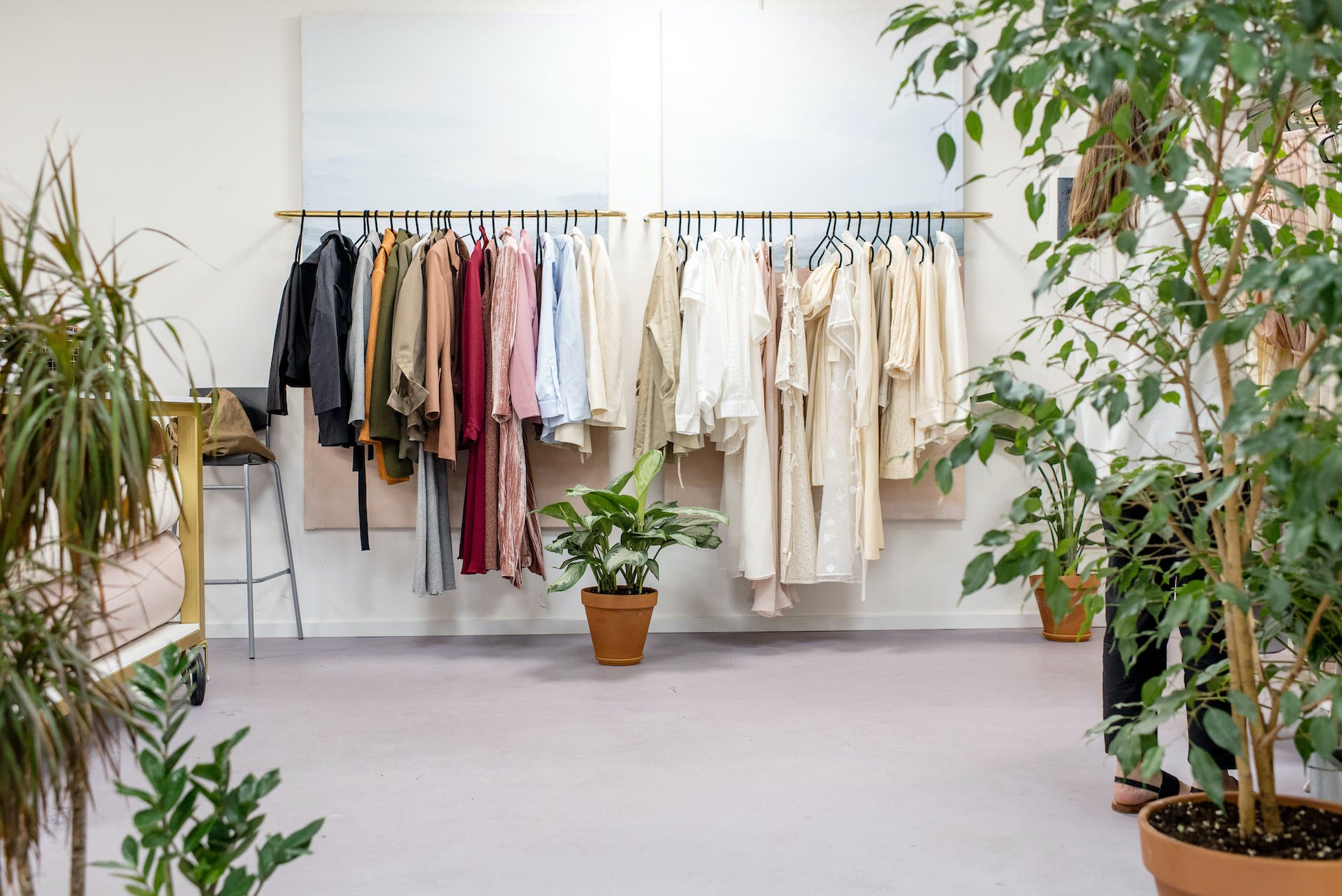
When it comes to clothing, brands play a significant role in shaping our choices and preferences. Brands provide us with a sense of identity, quality, and style. They represent a particular aesthetic, reputation, and values that resonate with individuals. Here are a few key aspects of brands in the context of clothing:
- Identity and Style: Brands often have their unique style and design philosophy, which sets them apart from others. People may gravitate towards a brand that aligns with their personal taste and aesthetic preferences. For example, some brands have a sporty and athletic image, while others have a more sophisticated and elegant appeal. By wearing specific brands, individuals can express their desired identity and style.
- Quality and Craftsmanship: Brands are also associated with the quality of their products. Some brands are known for their durability, attention to detail, and superior craftsmanship. This reputation influences consumers’ choices as they seek clothing items that they can rely on for long-term use. Trusted brands often use high-quality materials and employ skilled artisans to create well-crafted garments.
- Status and Social Significance: Certain brands have become symbols of status and wealth. Wearing expensive or luxury brands can be seen as a status symbol and may indicate a person’s affluence or success. In some cases, people associate wearing certain brands with being part of a particular social group or elite circle.
- Brand Loyalty and Trust: Many individuals develop a sense of loyalty towards particular clothing brands. This loyalty is often built through positive experiences with the brand, satisfaction with the quality of the products, and a belief in the brand’s values. Customers may continue to choose a specific brand over others based on their trust and loyalty.
It’s important to note that while brands can provide an array of benefits, personal style and comfort should always take precedence. Ultimately, individuals should choose clothing that makes them feel confident and comfortable, regardless of the brand.
The location of clothes can vary depending on various factors such as the context, purpose, and individual preferences. Clothes can be found in a variety of places, including:
- Retail Stores: Physical retail stores, such as department stores, boutiques, and clothing chain stores, are common locations to find clothes. These stores offer a wide range of options for different styles, sizes, and budgets.
- Online Retailers: With the rise of e-commerce, buying clothes online has become increasingly popular. Online retailers offer convenience and a vast selection of clothing options. Websites and online marketplaces dedicated to clothing such as Amazon, Zalando, ASOS, and many others provide customers with a wide range of choices.
- Secondhand Stores: Thrift stores and vintage shops are excellent options for finding unique and affordable clothing. These stores often offer a mix of vintage, gently used, and sometimes brand-new items at lower prices.
- Fashion Boutiques: Independent fashion boutiques specialize in curated selections of clothing, often showcasing local or niche designers. These boutiques offer a more personalized and boutique-like shopping experience.
- Department Stores: Large-scale department stores typically have clothing sections featuring a wide variety of brands and styles. They offer the convenience of having multiple options under one roof.
- Specialty Stores: Specialty stores focus on specific types of clothing, such as sportswear, formalwear, children’s clothing, or maternity wear. These stores cater to specific needs and often provide a more niche selection.
- Clothing Rental Services: Renting clothes has gained popularity in recent years. Clothing rental platforms allow individuals to rent designer or trendy clothing for a specific period, offering a more sustainable and cost-effective option.
- Direct from Designers: Some individuals prefer to purchase clothes directly from fashion designers. Boutiques, online platforms, or designer showrooms are places where individuals can find unique and exclusive pieces.
Remember, the availability of clothing in specific locations may vary depending on your geographical location and the current market trends.
 Hansa vacuume foods